


The hottest cities in the US are more than a trivia question for a moving company. Heat decides when a crew can safely load a truck, which jobs you can book at midday, and how much of your peak season lands in dangerous temperatures. This guide ranks the hottest cities in the US using NOAA’s 1991–2020 climate normals, then turns each number into a scheduling or marketing decision for movers. For the wider demand picture, see our moving industry trends analysis.
What Is the Hottest City in the US?
It depends on how you measure heat. By yearly average temperature, Miami is the warmest city in this comparison at 77.4°F. By summer extremes, Phoenix wins: its July average high is 106.5°F, and it averages 111.3 days a year at or above 100°F. Las Vegas (78.2 days) and Tucson (67.9 days) follow on 100-degree days. So the hottest major city in the US is Phoenix for summer heat and Miami for year-round warmth.
The table below puts the hottest US cities side by side with the part movers care about: how long the heat lasts, and what to change in your operations.
| City (NOAA station) | Climate normals, 1991–2020 | Months with avg high at 90°F+ | Tip for movers |
|---|---|---|---|
| Miami, FL (USW00012839) | 77.4°F annual avg; Jul avg high 90.6°F; 91.4 days at 90°F+; 0.0 days at 100°F+ | Jul–Aug | Plan hurricane-season buffers (Jun 1–Nov 30) and humidity-proof packing. |
| Phoenix and Mesa, AZ (USW00023183) | 75.6°F annual avg; Jul avg high 106.5°F; 173.4 days at 90°F+; 111.3 days at 100°F+ | May–Sep | Load at first light; July nights average 84.5°F, so heat never breaks. |
| Orlando, FL (USW00012815) | 73.0°F annual avg; Jul avg high 92.0°F; 109.9 days at 90°F+; 0.2 days at 100°F+ | Jun–Aug | Same hurricane window as Miami; shaded rest stops Jun–Aug. |
| Tucson, AZ (USW00023160) | 70.6°F annual avg; Jul avg high 100.2°F; 157.8 days at 90°F+; 67.9 days at 100°F+ | May–Sep | Five months of 90°F+ highs: extra water on every truck. |
| Houston, TX (USW00012960) | 70.5°F annual avg; Jul avg high 94.5°F; 111.3 days at 90°F+; 7.0 days at 100°F+ | Jun–Sep | Rain gear and floor protection matter; 51.8 in of rain a year. |
| Las Vegas, NV (USW00023169) | 70.1°F annual avg; Jul avg high 104.5°F; 137.1 days at 90°F+; 78.2 days at 100°F+ | Jun–Sep | Cap midday outdoor loading Jun–Aug; sell morning slots. |
| San Antonio, TX (USW00012921) | 69.6°F annual avg; Jul avg high 94.9°F; 122.4 days at 90°F+; 17.7 days at 100°F+ | Jun–Sep | Heat lingers into September; rotate crews in August. |
| Fresno, CA (USW00093193) | 65.0°F annual avg; Jul avg high 97.7°F; 113.3 days at 90°F+; 38.4 days at 100°F+ | Jun–Sep | Sell early starts and cool storage for heat-sensitive items. |
Source: NOAA NCEI 1991–2020 U.S. Climate Normals, station-level annual and monthly normals (station IDs shown in the first column). Temperatures in °F. Mesa is part of the Phoenix metro area, so Phoenix Sky Harbor data covers both.
Which of the Hottest Cities in the US Is Hardest on Moving Crews?
Raw temperature is only half the story. Humidity, night-time lows and rain change how a 10-hour move feels, so each city needs its own plan.
Miami, Florida
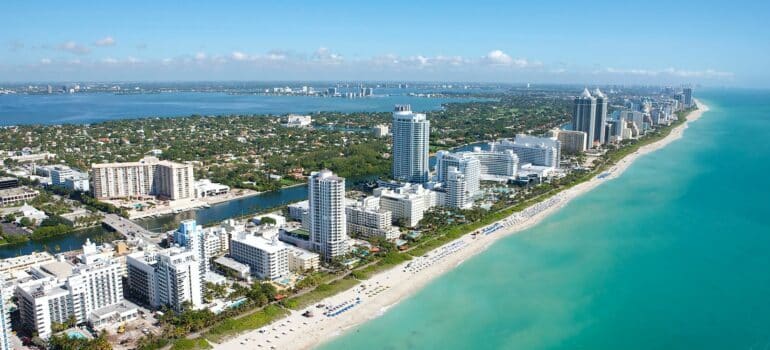
Miami never reaches 100°F in a normal year, yet it logs 91.4 days at 90°F or higher and a July average low of 77.5°F. The bigger scheduling factor is the calendar: the Atlantic hurricane season runs June 1 to November 30, according to the National Hurricane Center, so it overlaps most of the moving peak. Build weather-delay and rebooking terms into your quotes, and keep cardboard and wood furniture off wet ground.
Phoenix and Mesa, Arizona

Average highs stay at 90°F or above from May through September, and June through September average 95°F or above. The July average low is still 84.5°F, so the heat does not break after dark. Load at first light, rotate crews, and keep the afternoon for unloading into air-conditioned homes.
Tucson, Arizona
Tucson is a little cooler than Phoenix, with a July average high of 100.2°F and 67.9 days at 100°F or above, but the 90°F-plus stretch is the same five months, May through September. Put extra water on every truck and plan rest breaks into the quote, not just the day.
Houston, Texas
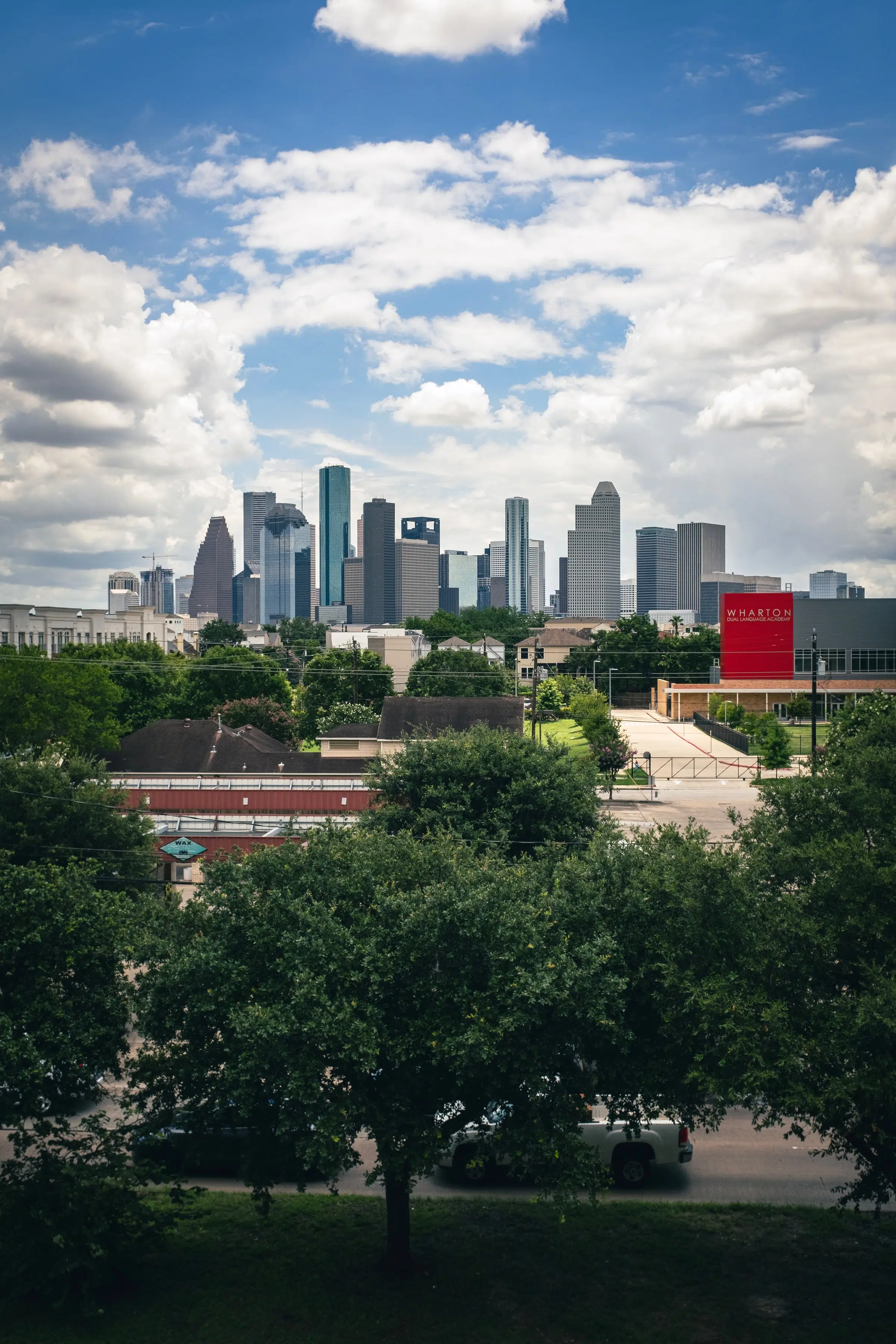
Houston reaches 100°F on only 7.0 days a year, yet it has 111.3 days at 90°F or higher and a July average low of 75.7°F. The difference from Arizona is rain: 51.8 inches a year versus 7.2 in Phoenix. Pack rain covers, floor runners and shrink-wrap for upholstery alongside the water coolers.
Las Vegas, Nevada
Las Vegas logs 78.2 days at 100°F or above and a July average high of 104.5°F, with only 4.2 inches of rain a year. Average highs reach 95°F or more from June to August, so cap midday outdoor loading in those months and book apartment moves for early morning.
San Antonio, Orlando and Fresno
San Antonio has 122.4 days at 90°F or higher, 17.7 at 100°F or higher, and an August average high of 96.0°F, so heat lingers into September. Orlando reaches 100°F only 0.2 days a year, but average highs hit 90°F or more from June through August and the hurricane season applies there too. Fresno averages 38.4 days at 100°F or higher and 113.3 at 90°F or higher, which makes early-morning slots and cool storage worth advertising.
Is Summer the Wrong Time to Move to a Hot City?
For movers, the awkward part is that peak demand and peak heat arrive together. The Army’s household goods guidance, published in 2013, puts the summer peak season at May 15 through September 30 and says almost 65 percent of Department of Defense household goods moves happen in it. That figure covers military moves only, but the calendar matches the civilian peak. In Phoenix and Tucson the 90°F-plus months are May through September, which is the same window. In Houston, San Antonio and Las Vegas they are June through September.
Four scheduling rules follow from the data:
- Sell early starts. Offer a 6 a.m. arrival window in every city where average highs pass 95°F.
- Cap crew hours. Set a maximum outdoor shift for June through August jobs and price it in.
- Use the cool months. In Phoenix, average highs stay below 90°F from October through April. Push local and storage jobs there with an off-season marketing strategy.
- Prepare the peak early. Hire and train before May, as covered in our guide to preparing for a busy moving season.
How Do You Protect Crews and Belongings in Extreme Heat?
Crew safety comes first. OSHA’s heat guidance on water, rest and shade tells employers to provide cool drinking water, scheduled breaks in a shaded or cooled spot, and gradual workload increases for new or returning workers. The last point matters in moving, where seasonal hires often start in May.
Customers also need a list of items that should not ride in a hot truck. Tell them to carry these themselves:
- Medications, cosmetics and candles
- Laptops, hard drives, phones and other electronics
- Vinyl records, photographs and artwork
- Houseplants and wine
Ask customers to check manufacturer guidance for anything temperature-sensitive, and write the carry-yourself list into your confirmation email.
Are People Still Moving to the Hottest US Cities?
Mostly yes, with a caveat. The Census Bureau’s Vintage 2025 city estimates, released May 14, 2026, show the South with 10 of the 15 fastest-growing US cities. San Antonio had the third-largest numeric gain (14,359 residents) and Houston the sixth (11,515), while Phoenix is the fifth most populous US city at 1,665,481. Surprise and Goodyear, both in the Phoenix area, ranked 13th and 15th for numeric gain.
The caveat: cities of 250,000 or more grew only 0.3% on average in 2025, down from 0.9% a year earlier, and the Census ties the slowdown to lower net international migration. Compare these figures with your own booking data and with our breakdown of US cities with the most local moves before you commit marketing spend to a market.
How Can Movers Market Heat Safety and Climate Care?
Customers in the hottest US cities already worry about what the heat does to their belongings, and few moving websites address it. Three messages are worth testing:
- Early-start windows on city service pages, so the page answers “can you move me before it gets hot?”
- Climate-care packing for electronics, records and plants, with a short checklist customers can print.
- Crew-care proof in reviews and Google Business Profile posts, such as water stations and shaded breaks.
Pair these with city-level landing pages and local SEO for moving companies, and build them around what residents in each metro actually ask for, using our research on what people in major cities want from movers.
Plan Around the Heat, Then Market It
The hottest cities in the US reward movers who treat weather as an operations and marketing input rather than an afterthought. Customers can ballpark a move with our instant moving quote calculator. If you run a moving company in Phoenix, Houston, Las Vegas or Miami and want help turning heat into bookings, Movers Development builds SEO, ads and quote tools for moving companies. Request your free marketing analysis and we will show you where your market is leaking leads.
Frequently Asked Questions
What is the hottest city in the United States?
It depends on the measure. Among the large cities compared with NOAA's 1991–2020 normals, Miami is warmest year-round at a 77.4°F annual average, while Phoenix is hottest in summer, with a July average high of 106.5°F and 111.3 days a year at or above 100°F. Smaller desert towns not in this comparison may run hotter.
What is the hottest major city in the US?
Phoenix is the hottest major city in the US for summer heat. NOAA's 1991–2020 normals show a July average high of 106.5°F and 111.3 days a year at or above 100°F. Las Vegas has 78.2 such days and Tucson 67.9. For year-round warmth, Miami leads with a 77.4°F annual average.
What are the hottest cities in the US?
By annual average temperature in NOAA's 1991–2020 normals: Miami (77.4°F), Phoenix (75.6°F), Orlando (73.0°F), Tucson (70.6°F), Houston (70.5°F), Las Vegas (70.1°F), San Antonio (69.6°F) and Fresno (65.0°F). Mesa shares Phoenix's metro climate. Phoenix, Las Vegas and Tucson have the most days at or above 100°F.
Which hot US city has the most 100-degree days?
Phoenix, with an average of 111.3 days a year at or above 100°F, according to NOAA's 1991–2020 normals. Las Vegas follows with 78.2 days and Tucson with 67.9. Houston reaches 100°F on only 7.0 days a year, but it has 111.3 days at 90°F or higher and much more humidity.
Do people still move to the hottest US cities?
Mostly yes. The Census Bureau's Vintage 2025 estimates, released May 14, 2026, show the South with 10 of the 15 fastest-growing US cities. San Antonio had the third-largest numeric gain (14,359 residents) and Houston the sixth (11,515). Growth in cities of 250,000 or more slowed to 0.3% on average, though.


